Choosing Forever - A Family’s Promise to the Land
“They aren’t making any more of it,” Chris said to his dad, speaking of land in-general.
Years of struggle were taking its toll. Subdividing the land would make it more manageable and would infuse the effort with much-needed resources. Chris’s dad had begun to wonder what it was all for. Why not just sell it?
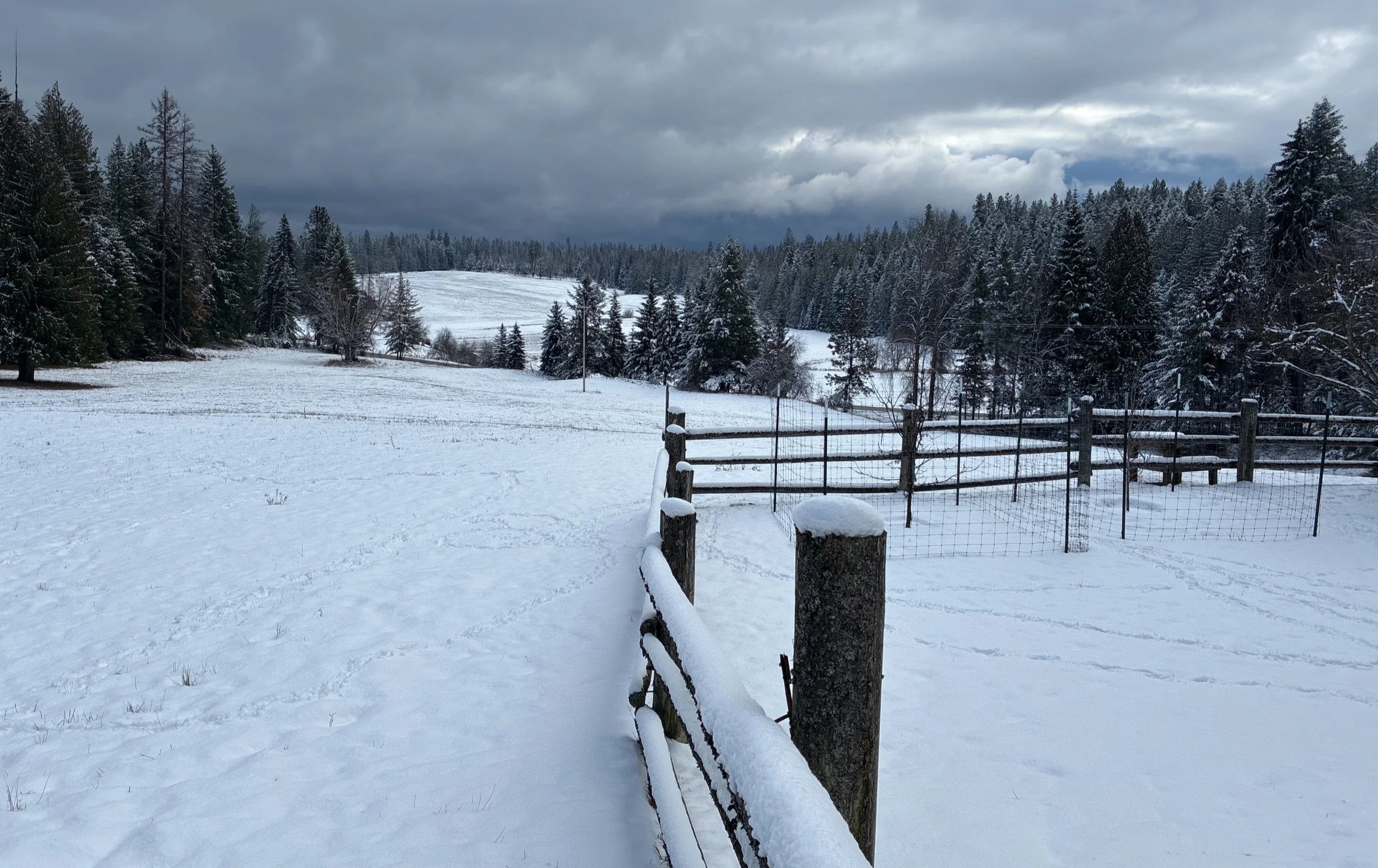
It seemed that the land was fighting every effort to be tamed. Fewer than ten miles from downtown Sandpoint, the Sagle homestead may as well have been a hundred miles from civilization. Nothing was easy.
It was in the early 1900’s that Chris’ great grandfather homesteaded this land that the Kalispel tribe called “the valley of death,” referring to the bitterly cold winters. Over the years, he would accumulate nearly 2,000 acres of land. When a neighboring landowner struggled to keep their property, he would ride his horse the 35 miles to Rathdrum, which was the county seat at the time, to file the paperwork required to buy a property that was delinquent in taxes, getting it for pennies on the dollar.
After graduating college and working as a teacher for several years, Chris began to feel a pull. Teaching was fulfilling and life was comfortable. But, he felt a responsibility to help his dad who had just inherited the ranch. This land was not merely to be his inheritance, it was his family heritage.
“We were a blue-collar family. I knew we would never have an opportunity like this again,” he remembers thinking.
But, for this family, it was never about financial security. “My great-grandfather, his son, and his grandson were not interested in money. They loved the dirt - just like me,” he said.
In 1974, when Chris was 26 years old, he answered the call and returned to the work that lay before him. He could not have predicted the challenges he and his wife would face, but he knew one thing - it would demand all he had and more, and it did. He knew how the land had battered those before him, but he couldn’t turn his back on it.
How can we make this land better - not, what can we take from it.
Chris knew little about land management. He was guided by the principle instilled by generations before; how can we make this land better - not, what can we take from it.
Chris knew nothing of farming, logging, or running cattle. He didn’t consider himself to be a steward. “I just wanted to make the land productive enough to keep it,” he urged. “I had no skills and no money - just a desire to make the land better and a willingness to work hard.”
Sacrifice marked the first ten years. Each challenge felt like the land was taunting him - Are you tough enough?
He was working full-time as a teacher and coach. Everything he had left went to working the land. The financial and physical challenges took a toll on his marriage, like those before him.
“Every hour had to make a difference. Every single thing was a challenge. The men had to make it work,” he said. “This land has literally seen my family’s blood, sweat, and tears and mine as well.”
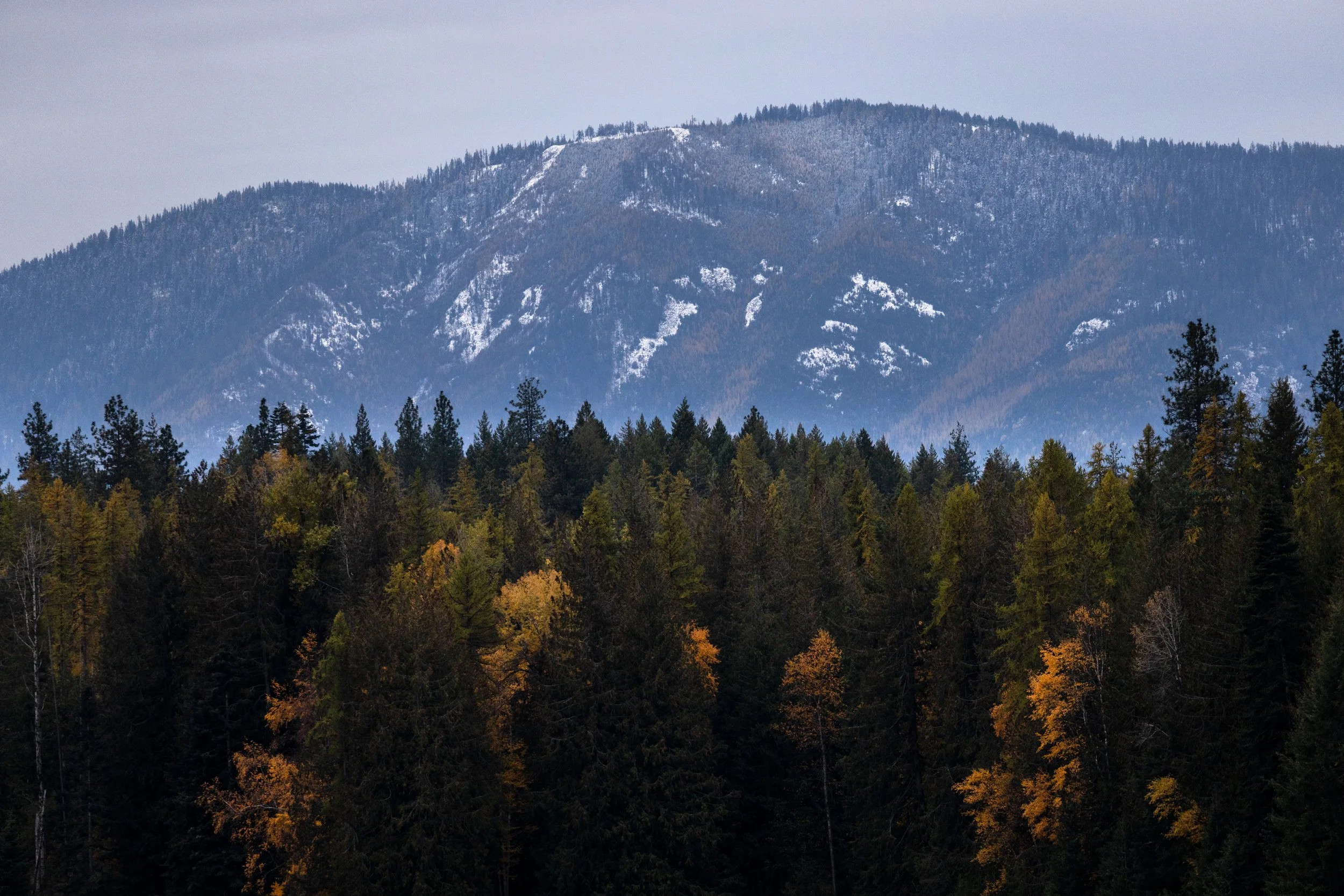
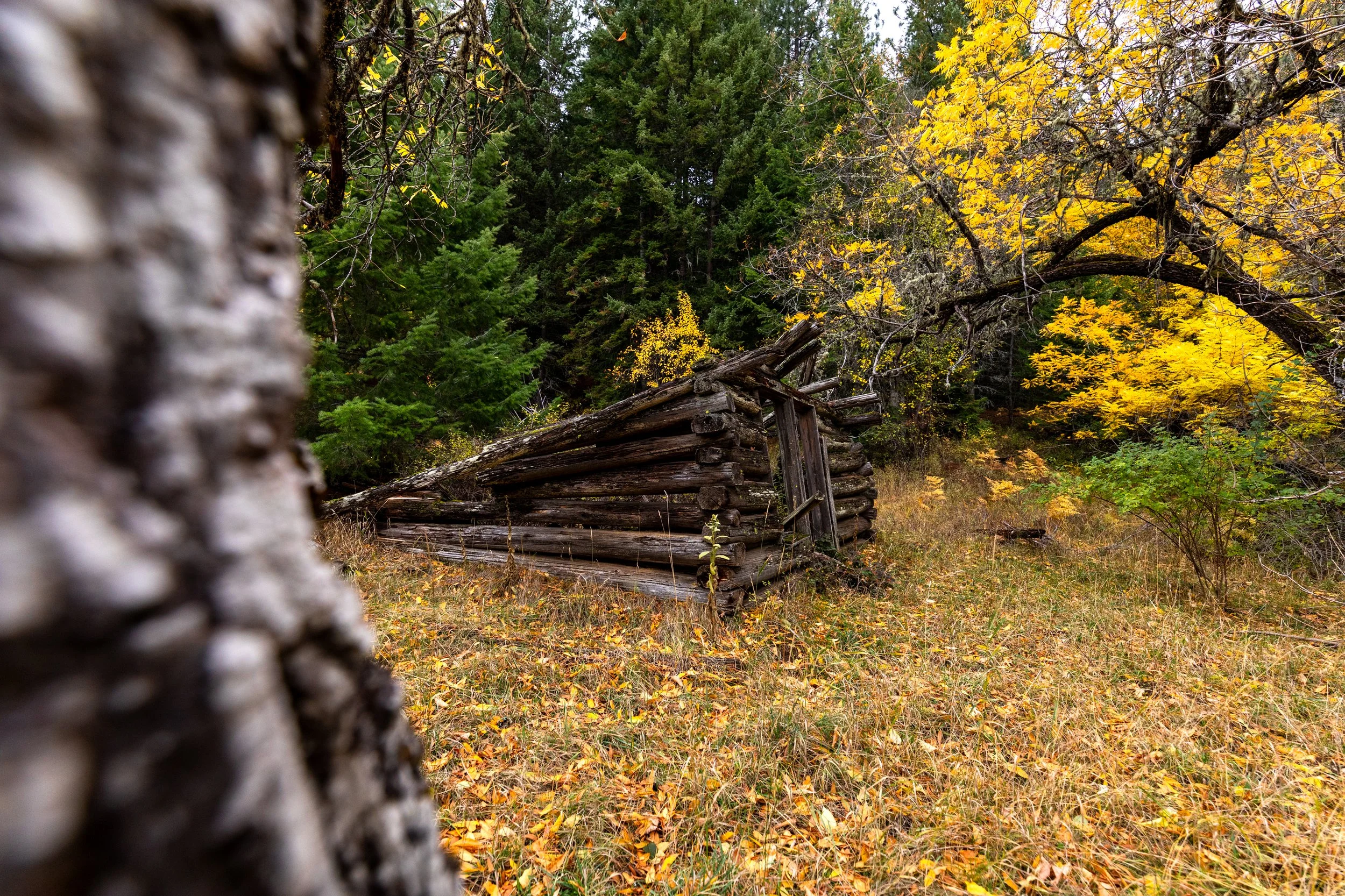
So when his dad had reached his limit for giving anything more to the land his forefathers worked so hard to make a living on, it was Chris that reminded him what the sacrifice was all about. By this time, the early structures that had burned or crumbled were the only visible remnants of that old struggle to survive. Four generations of sacrifice should not be ignored. This was no time to give up.
Today, a beautiful cabin sits where the old homestead was perched, complete with modern conveniences. Where he used to only see work, Chris now sees beauty. The forest that was once logged haphazardly is now well-tended and productive. The herd of elk that had disappeared long ago, returned, first one, then a few, and now many. And the hardship that once characterized this land was now replaced with pride.
No time to give up.
“It was all work and conflict until Loraine got here,” Chris smiled at his wife and partner of 25 years.
Until Chris met Loraine, he believed that a woman could never understand the meaning this land held, nor withstand the pressure it exerted. Loraine proved to be different. Before meeting Chris, Loraine was a mail carrier, working on the side at a farm in trade for rent.
“I like to say that I cut my teeth helping an old farmer, then found my own farmer!” she joked.
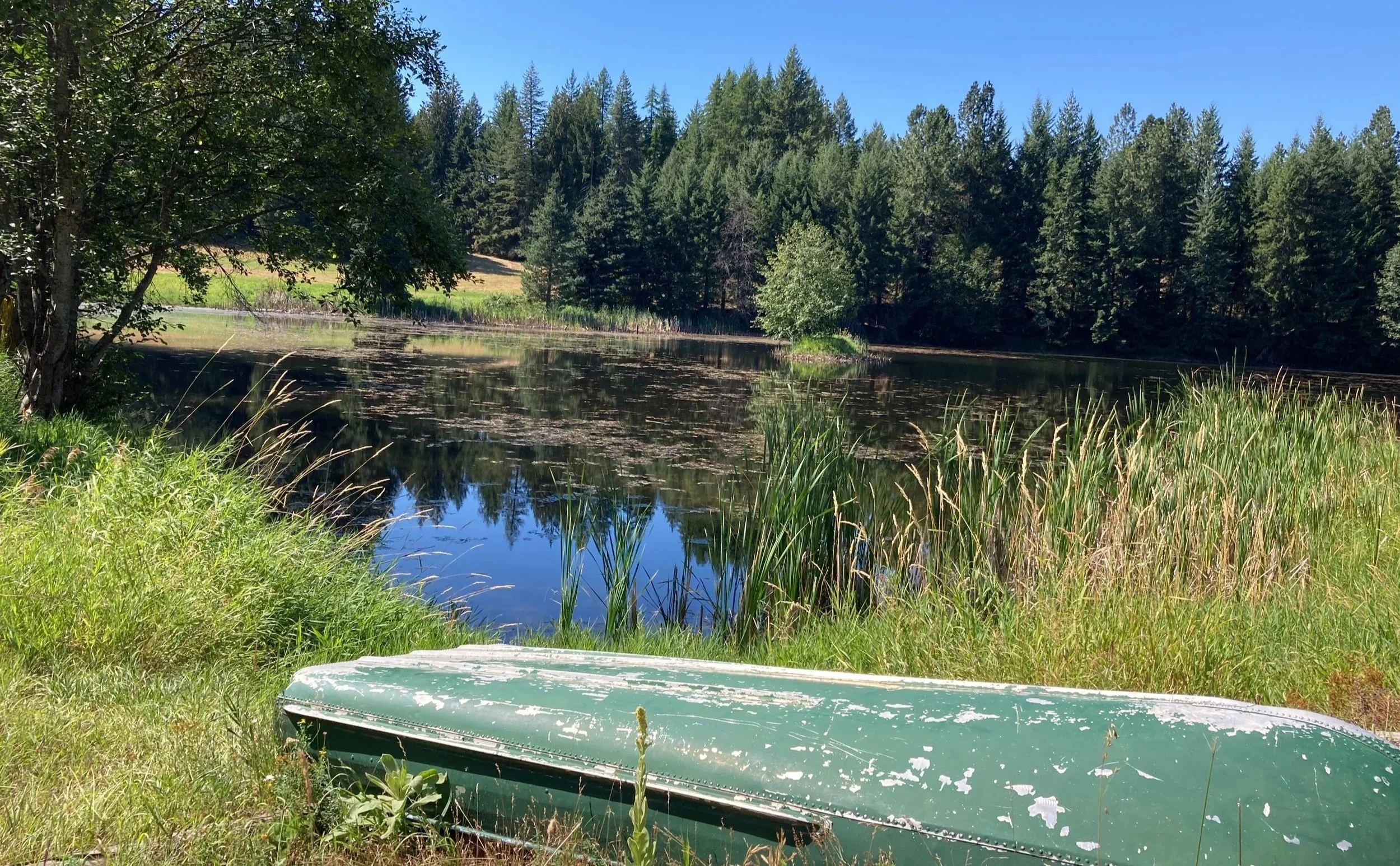
The couple now care for the 500-acre property together with its meadows and ponds - one of which, Lake Loraine, is Chris’ favorite spot and where they were married. A sign hangs above the door leading to the deck overlooking a meadow where the elk stand in the early morning mist. It reads, “Welcome to Paradise.”
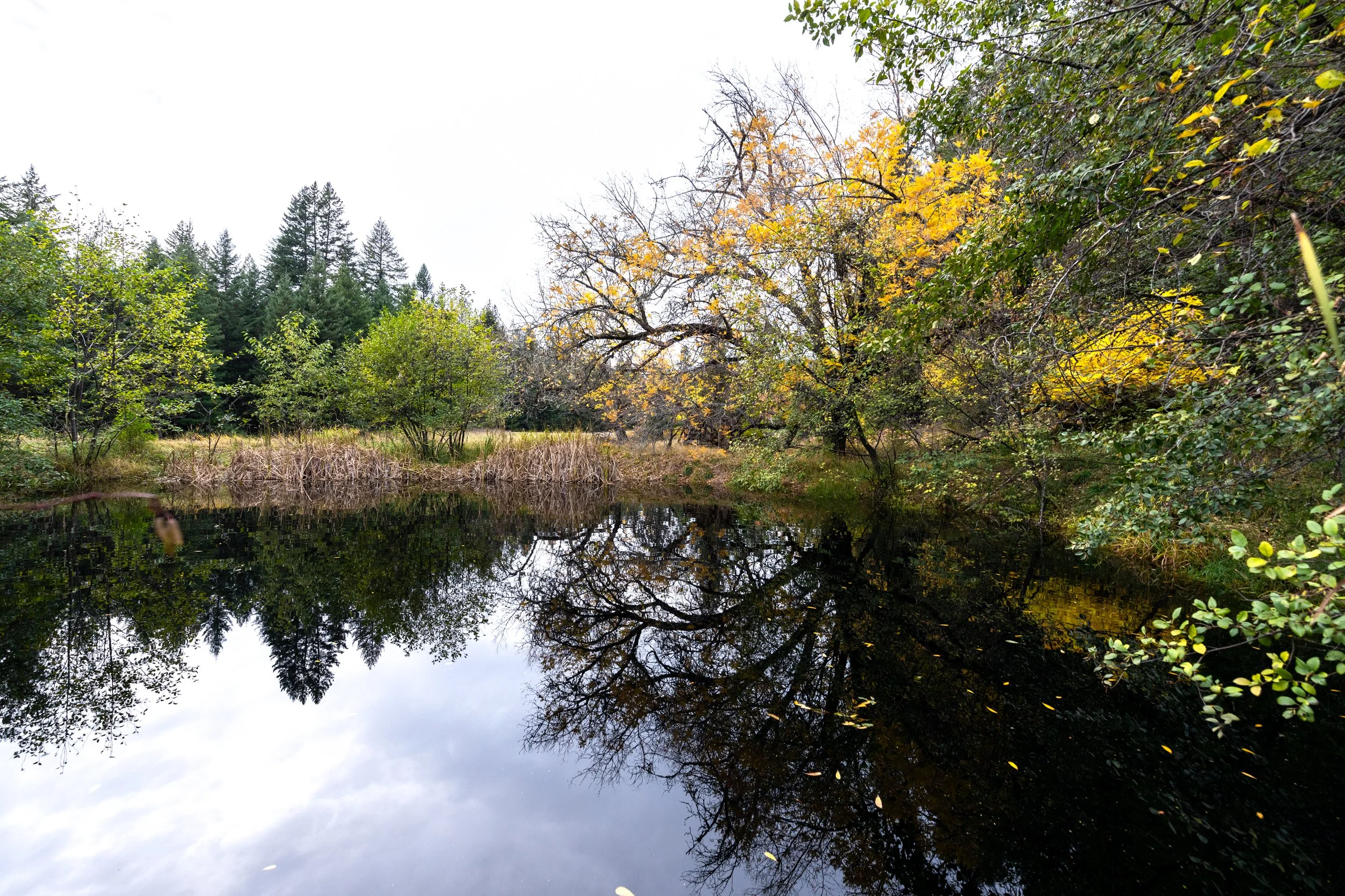
When Chris’ dad passed away, he knew he needed to do something to protect all they had worked for. “I didn’t want to be the one to dissolve that legacy of the ones before me,” he reflected.
But it would be another 20 years before he made his way to Kaniksu Land Trust. As a teacher and coach, he valued healthy skepticism. He had many concerns about entering an agreement with another entity when it came to his family land. With reservations, he decided to take his first step into the office of KLT’s Conservation Director, Regan Plumb, and toward protecting his property for the next generation and beyond.
Chris had determined in advance that if he didn’t get a good feeling from the people at KLT right away, he wouldn’t go forward.
“Regan made it uncomplicated. Anything I wasn’t comfortable with, she either carefully explained or made modifications to address my concerns,” he explained. “Every concern I had she alleviated.”
I didn’t want to be the one to dissolve that legacy of the ones before me.
One of Chris’ concerns was that he would relinquish control of his land to an outside organization. Instead, he has become an ambassador of sorts. His experience has been so positive that he wants to tell anyone who will listen that putting his land in conservation was a smooth process and the right thing to do. He says that he never felt pressured or micromanaged in caring for his own property. Instead, he was guided by a knowledgeable expert in her field and an organization that values integrity and protecting the land that Chris and his forefathers worked so hard to care for.
“Trust is a big word to me,” he expressed. “But, when Regan shook my hand, I knew I could trust her. There was a bond.”
Chris confesses that he does not consider himself an emotional man, but the day he signed the papers finalizing the conservation easement that would protect the family land from subdivision and commercial development, he shed tears.
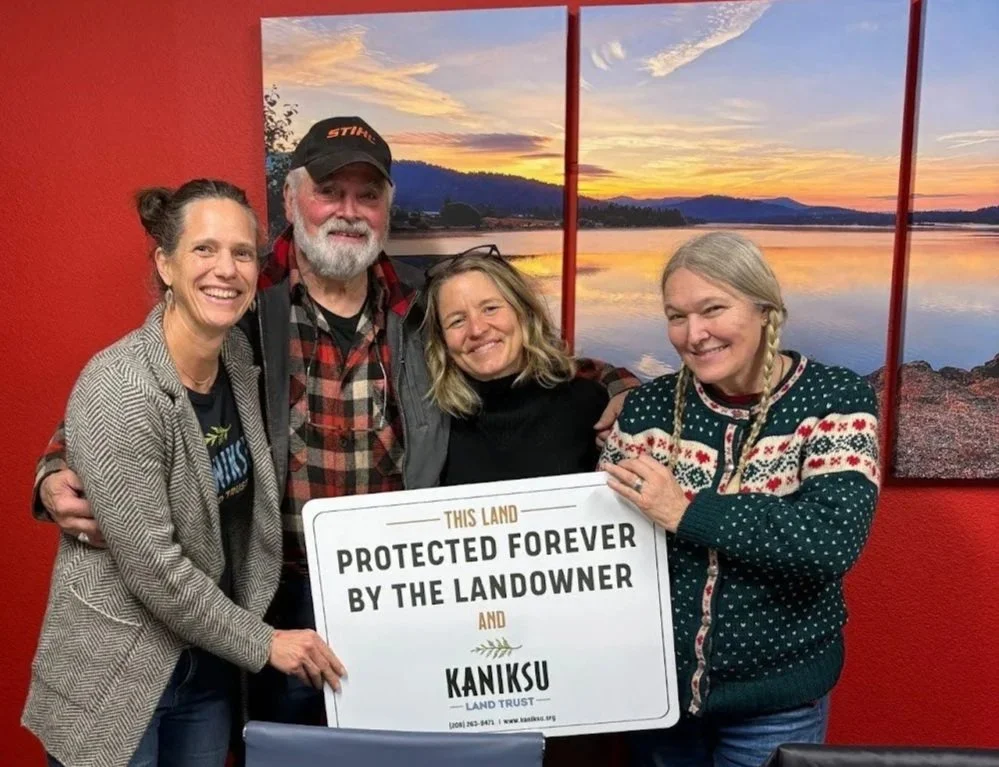
“When I signed the document, a big weight came off my shoulders,” he shared. “My daughter is the fifth generation that will care for this land. I can go to my grave knowing that I did the best I could for her and her husband, knowing the future of this land is in their hands and the hands of a responsible organization. What a relief!”
Though this land has not always been a paradise, “Because at times it was hell,” Chris now says it is the most beautiful place he has ever been. “I say wow every day. And thank God for allowing us to be the caretakers of this amazing place!”
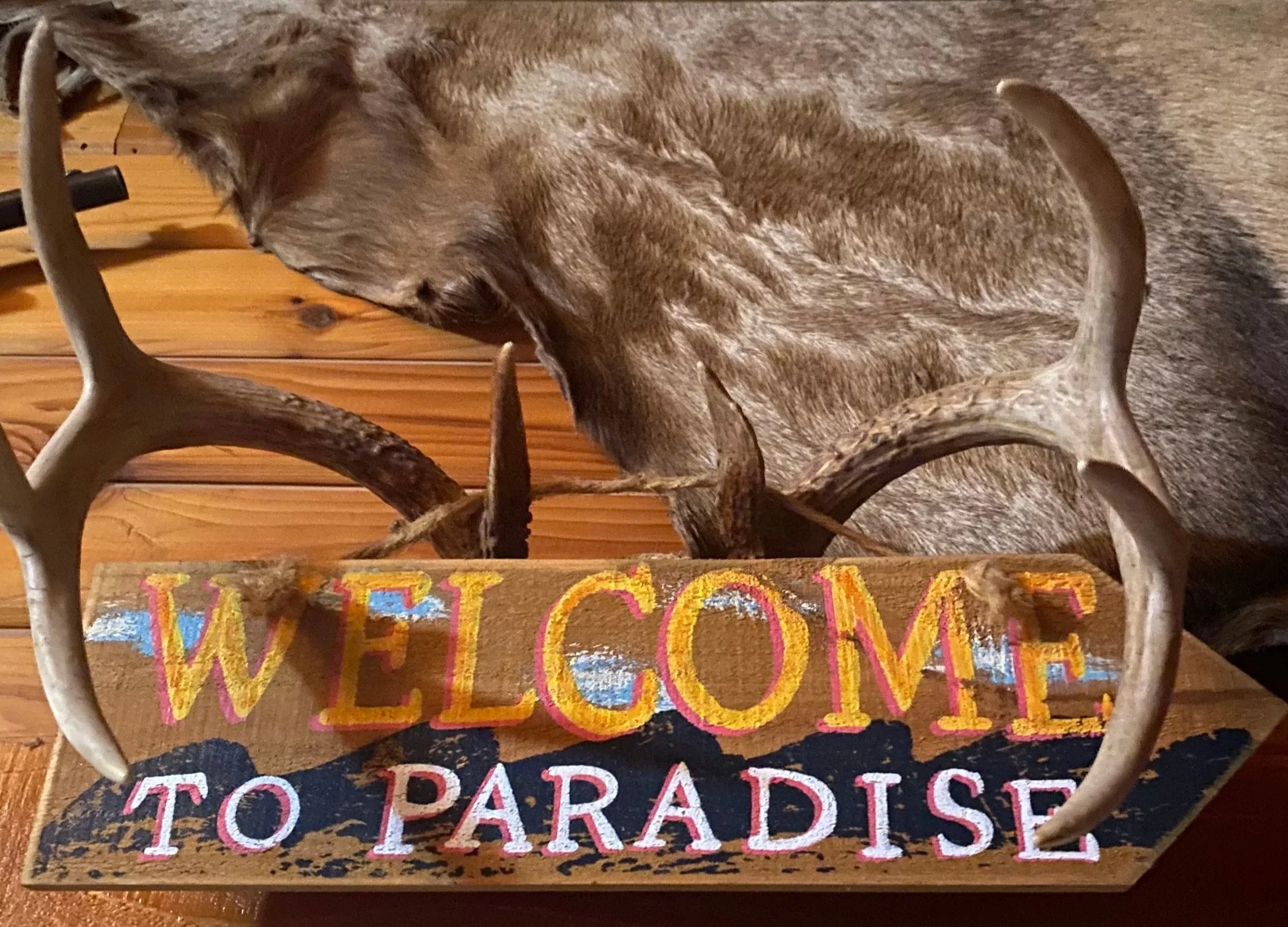
For Chris, Loraine, and their adult children, this land is worth protecting because of the blood, sweat, and tears of those before them. His words to his dad decades ago, along with his commitment to conservation, have kept the land and its heritage intact.
It will forever be protected.
All photos by Cole Golphenee and KLT staff